

By Brian Landry
I caught my first Texas rainbows this week in a small, freshly stocked pond not far from home. It wasn’t the kind of water that asks for hero casts or technical perfection. It asked for attention.

At first, nothing worked. Bigger flies covered water but felt wrong. Nymphs felt lifeless. Bluegills showed interest while the trout stayed just out of reach. The fish were there, but they weren’t convinced.

The change came when I stopped trying to force an answer and started listening. I downsized to a small, sparse olive mini bugger—same idea as before, just quieter. Both rainbows ate it clean; not out of aggression, but out of recognition.

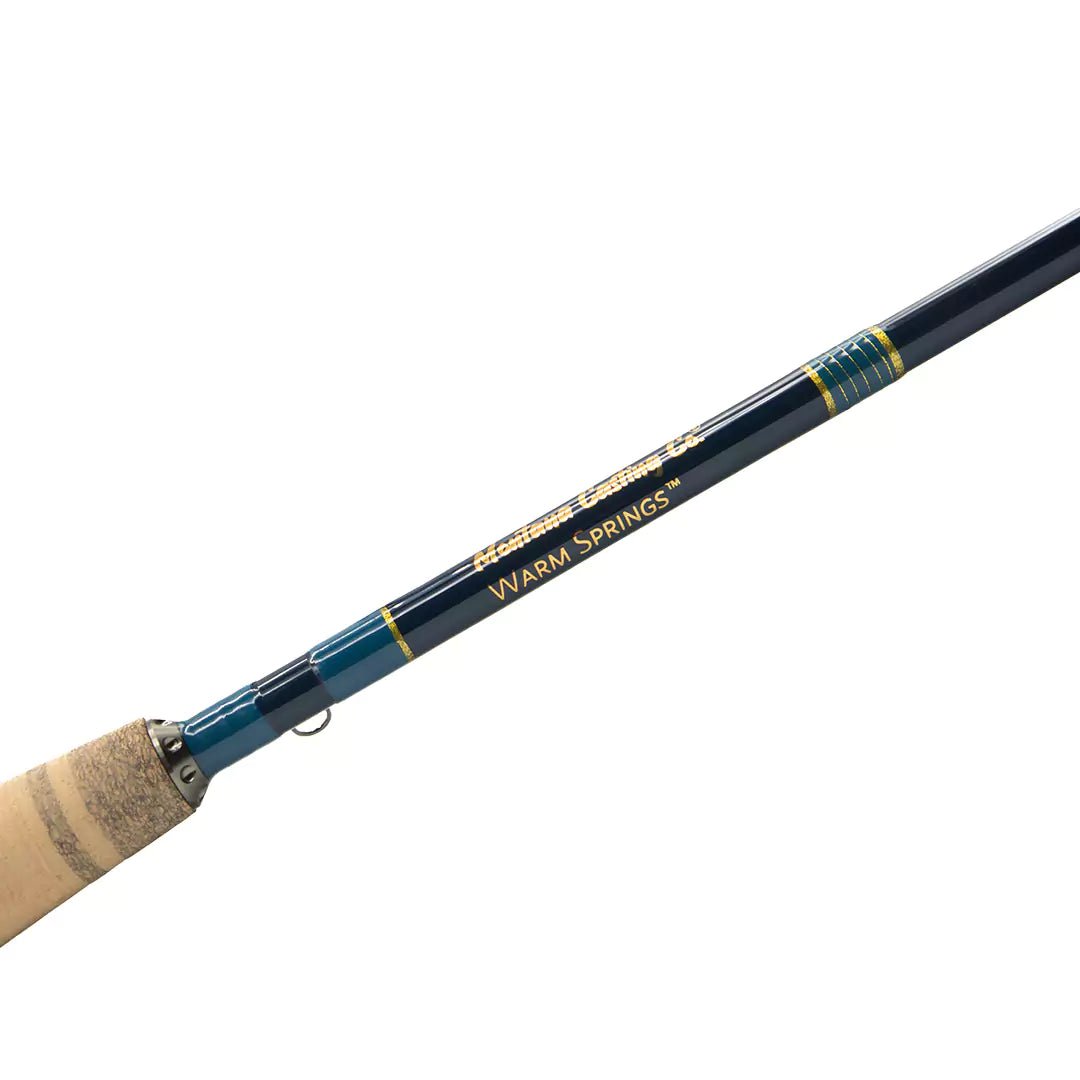
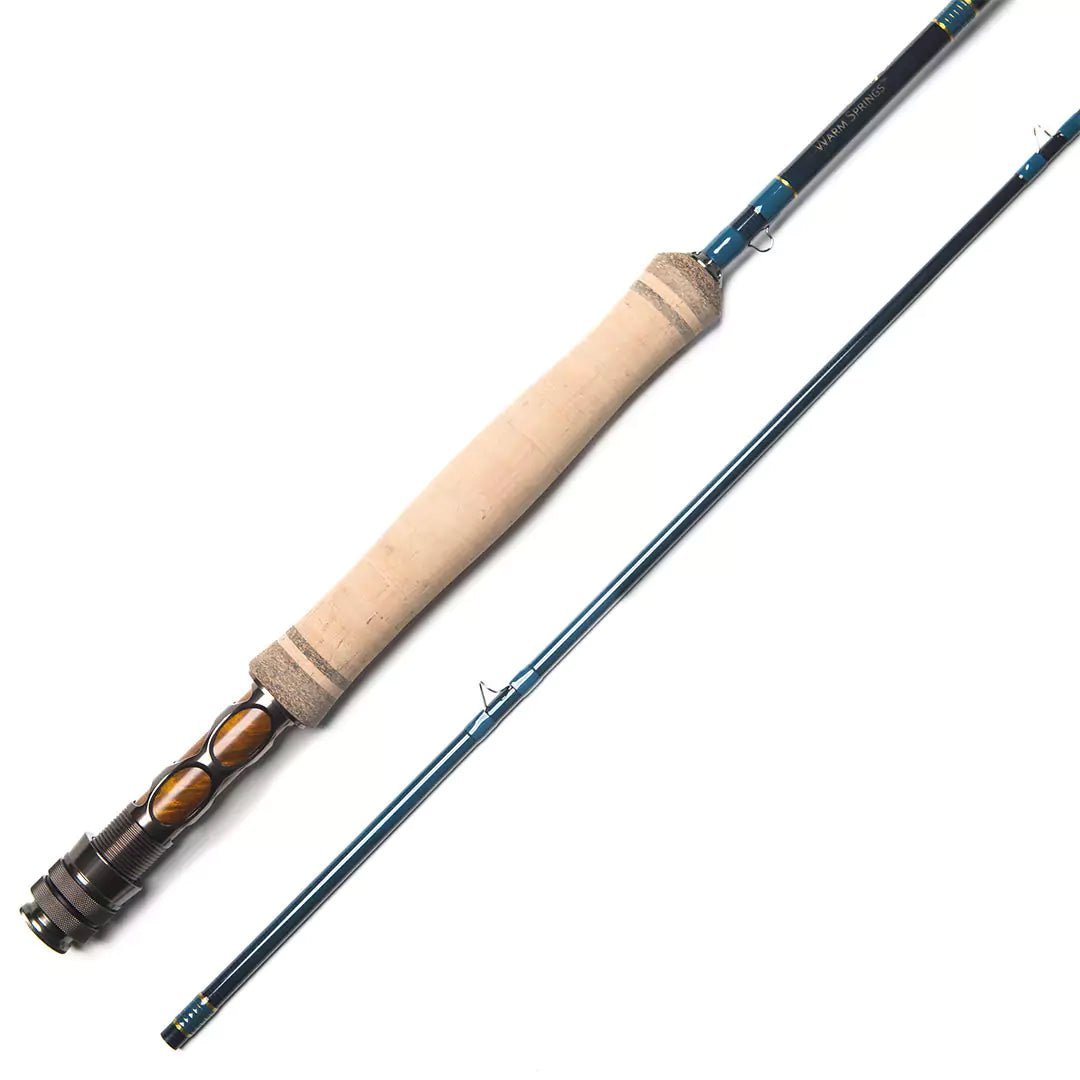
What struck me most was how the rod shaped that process. The Warm Springs didn’t rush me. It made it easier to slow down, to notice depth and tension, to feel when the fly was in the right lane. In still water, with no current to help, feel becomes everything. The rod stayed calm and connected through the take and the fight, even in close quarters.
That afternoon reminded me that fly fishing isn’t really about matching flies or even catching fish. It’s about paying attention long enough to let the water teach you something. Sometimes the lesson is simple: smaller, quieter, and more patient.

Be it on Montana rivers or Texas ponds, the value of a good tool isn’t where it’s used—it’s how it helps you listen.
Thank you, Brian, for sharing your story! If you have a story of your own and would like the chance to be featured on our blog, give us a shout!



0 comments